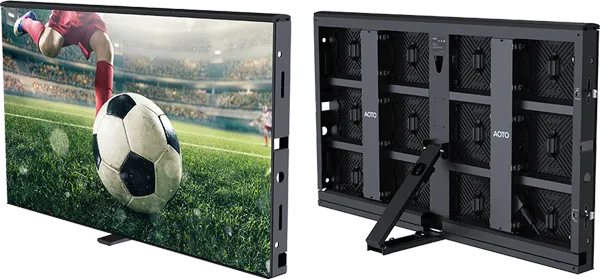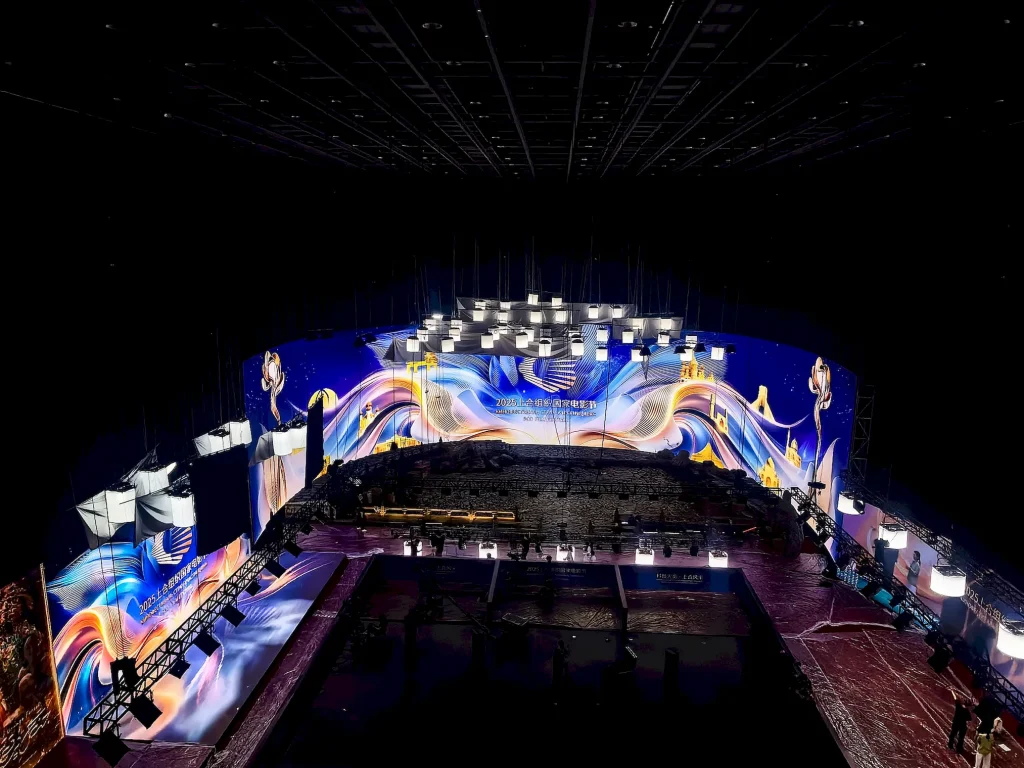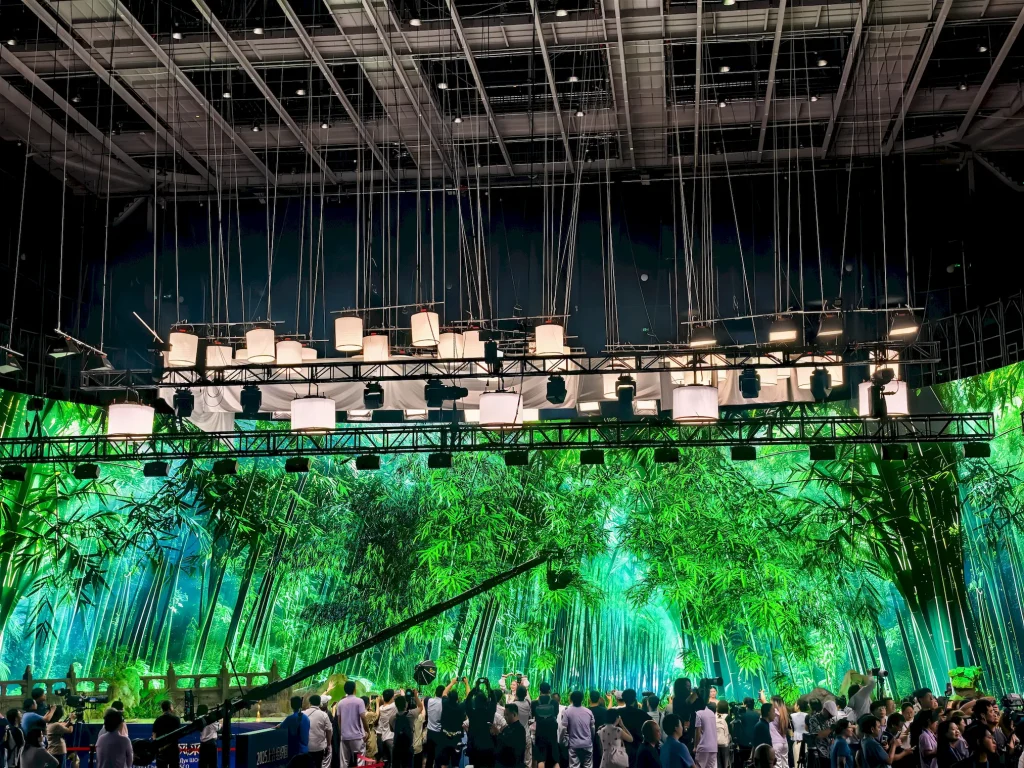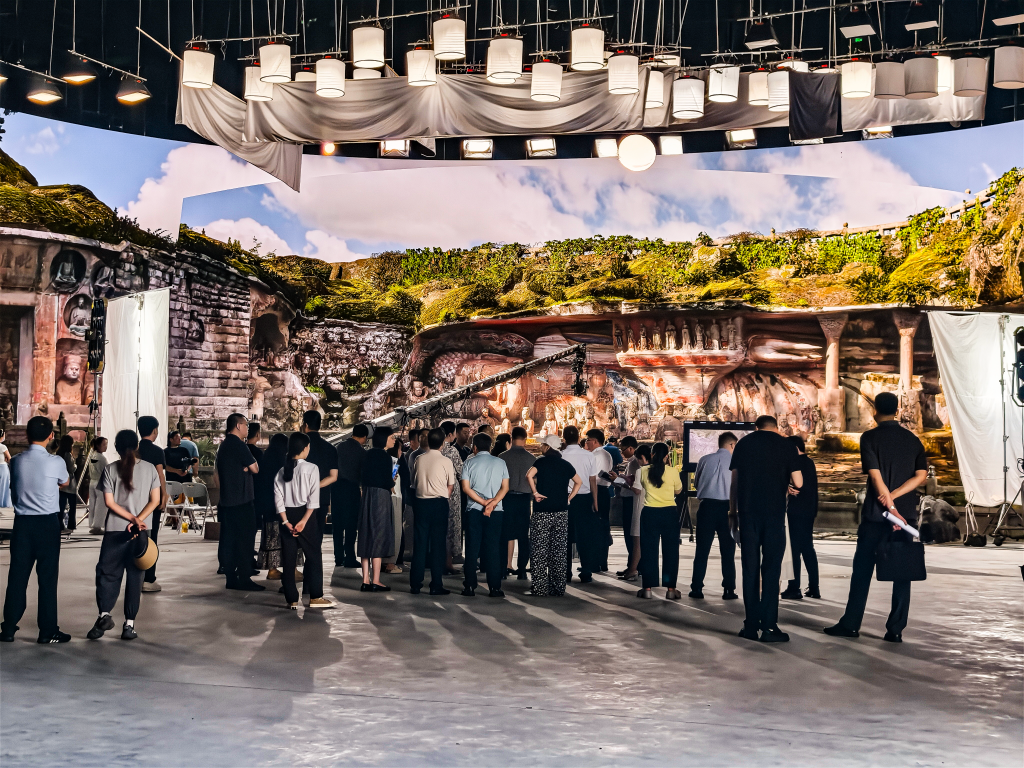
This cutting-edge video production technology utilizes the superior display effects of high-definition pixel LEDs placed in large spaces to create a “wall replacement solution” that evolve…
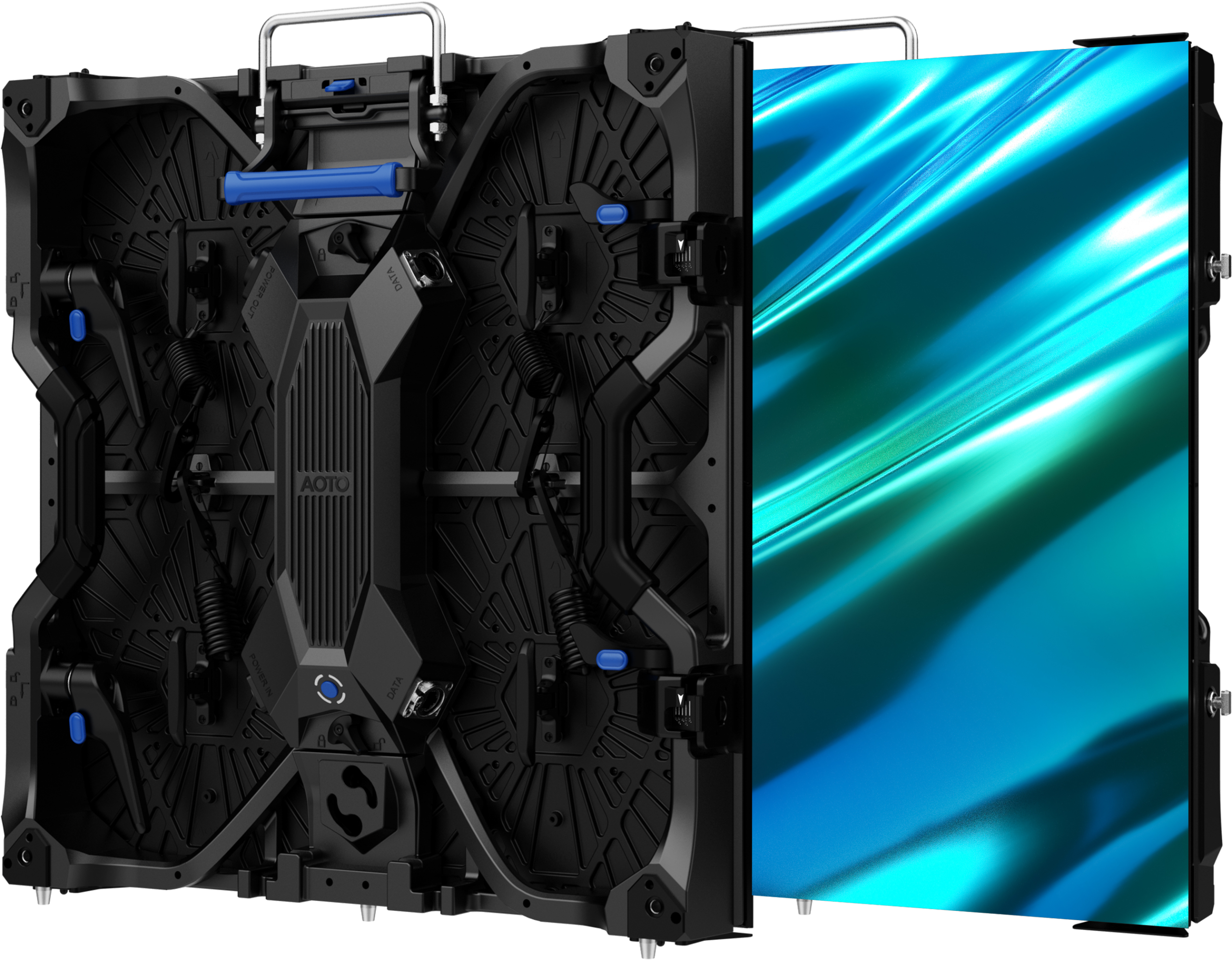
RM Series
RM series is a star product specially designed for virtual production and XR studio, it features 1/6 lowest scaning mode in the premium offer, 7680Hz refresh rate, 99.9% DCI-P3 color gamut, and low reflectivity effectively reducing the effect from other disturbing light. RM2.3 has already constructed several huge studios around the world.
- Pixel Pitch: 1.56mm/1.95mm/2.31mm
- 1/6 Scaning Mode
- 7680Hz refresh rate
- 99.9% DCI-P3 Color Gamut
- Low Reflectivity
- Intelligent Product Design
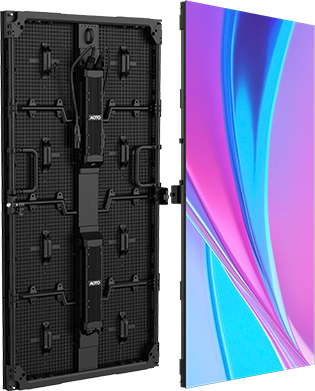
SW (RGBW) Series
SW(RGBW) series can achieve dual-mode switching for virtual production, highly replicating natural light. Combined with 360° full-view technology, it supports multi-directional lighting, ensuring no color bias when viewed from any angle. Combining the two special knobs and connecting pole, the unique design structure enhances the safety of installation.
- Pixel Pitch: 5.76mm
- CRI and TLC≥90
- 7680Hz refresh rate
- 360° Full-viewing Technology
- Magnetic Front Maintenance
- Dual Mode: Fill Light Mode and RGBW Mode
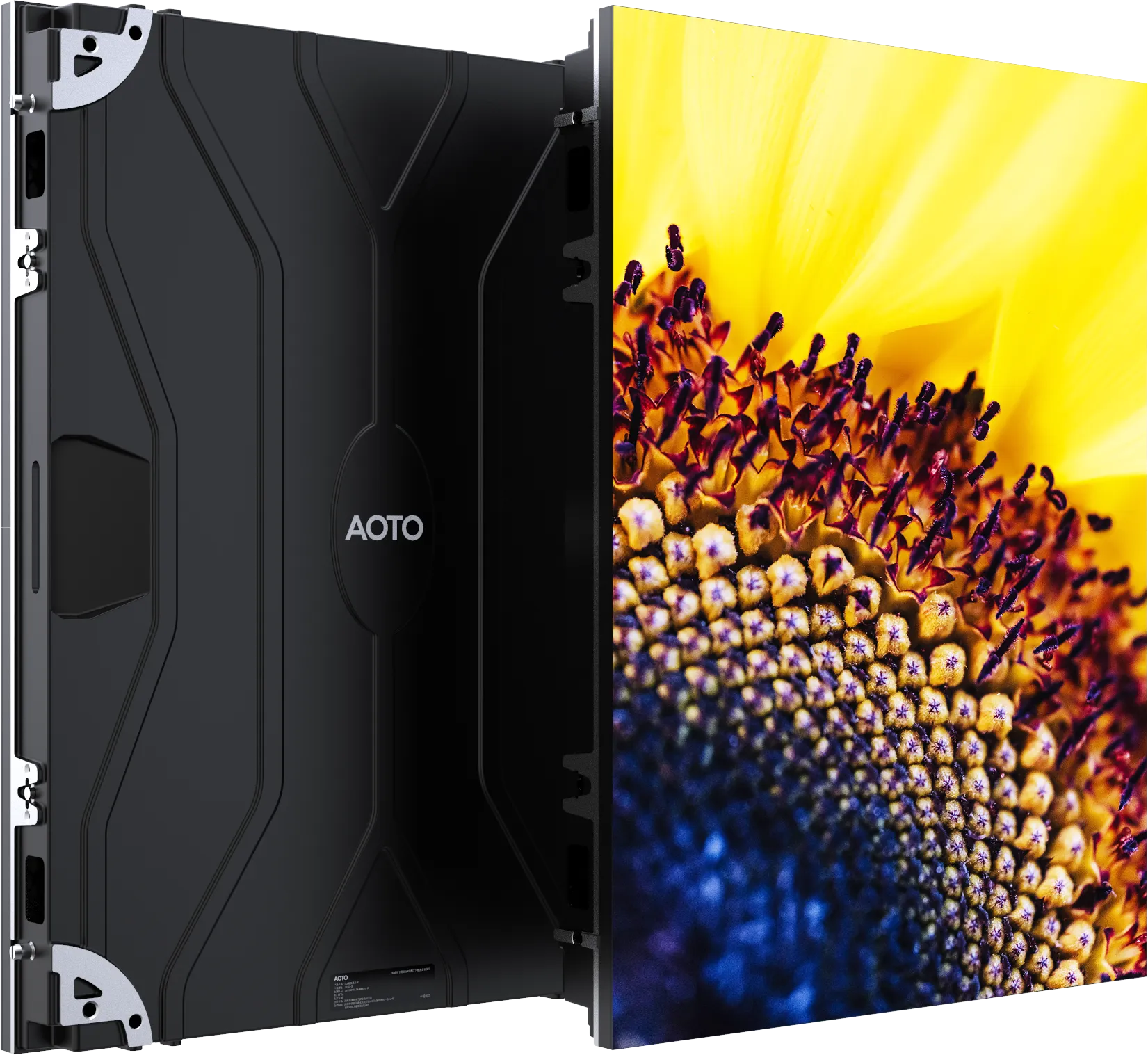
U-XR Series
The U-XR series can be used for XR virtual shooting. It features a robust structure, a customizable inner arc housing, and display features such as low reflectivity, high refresh rate, and wide viewing angle, making it suitable for the construction needs of various XR studios.
- Robust Structure
- Customizable Inner-Curve Cabinet
- Low Reflectivity
- High Refresh Rate
- Wide Viewing Angle
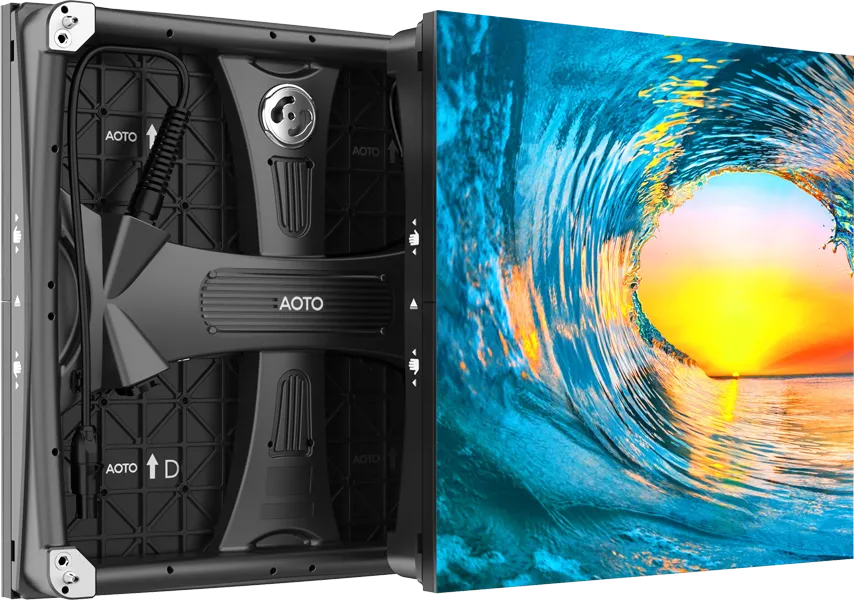
AE Series
The new generation, AE series of floor display is designed for XR Studio applications, allowing creators to build more dreamy and creative spaces. The viewing angle of AE can be up to 180 degrees in both the vertical and horizontal planes, and the image can have superb color consistency with no color cast. This allows for capturing optimal image quality via camera in the studio.
- Pixel Pitch: 2.31mm /1.56mm
- Super Load Capacity (2tons/㎡)
- AOTO Full Viewing Angle Technology
- High Protection
- High Precision Splicing
- Floor Installation
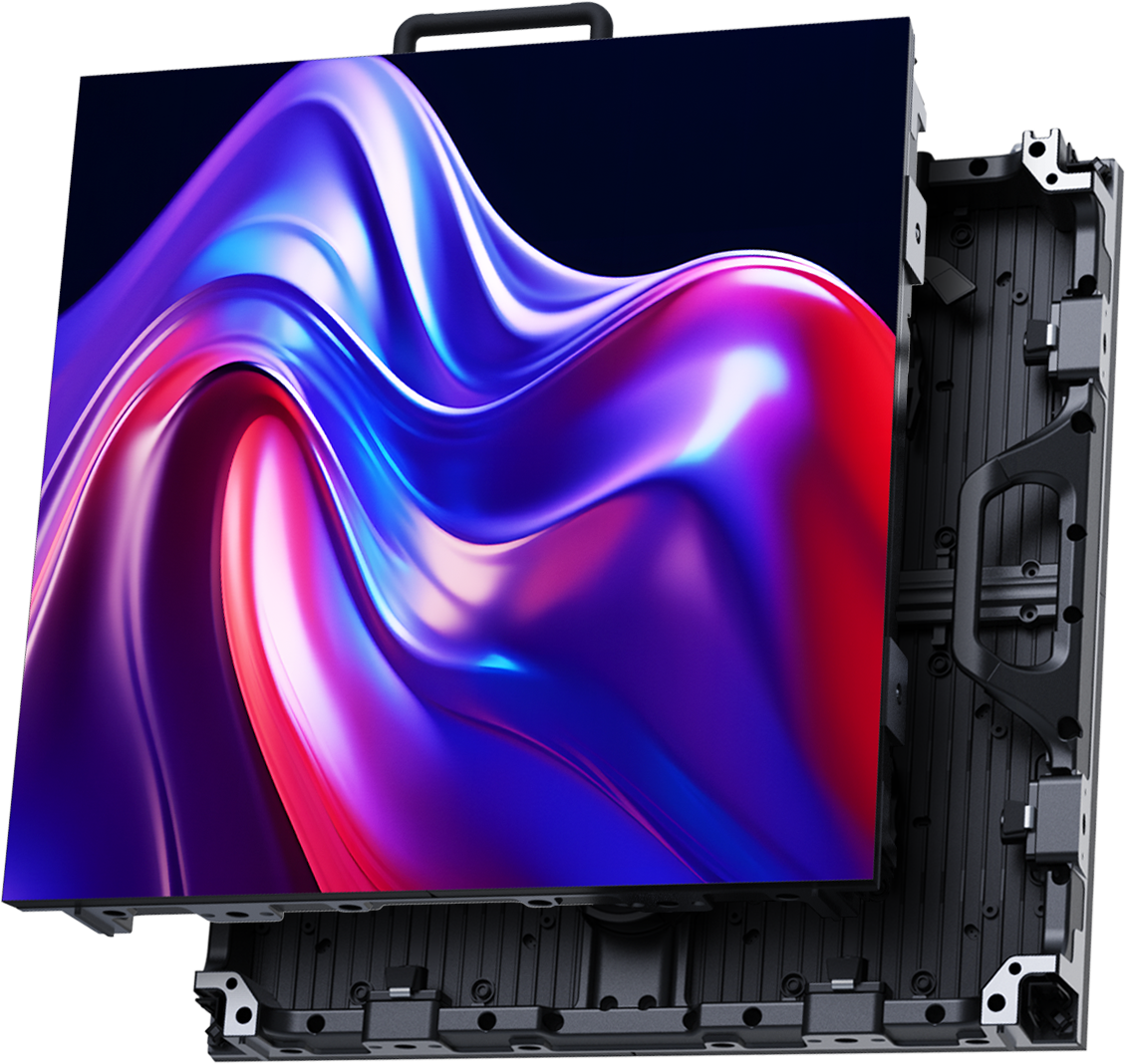
DL Series
The DL Series is an ideal LED display optimized for film production and virtual reality creation. It combines an ultra-high refresh rate with low scan frequency, ultra-high contrast, wide color gamut, and exceptional color reproduction capabilities. This enables precise rendering of high-speed motion details and Hollywood-level color performance.
- Pixel Pitch: 1.95mm / 2.31mm / 2.60mm
- Wide viewing angle
- 7680Hz refresh rate
- Low reflectivity
- 240Hz high refresh rate
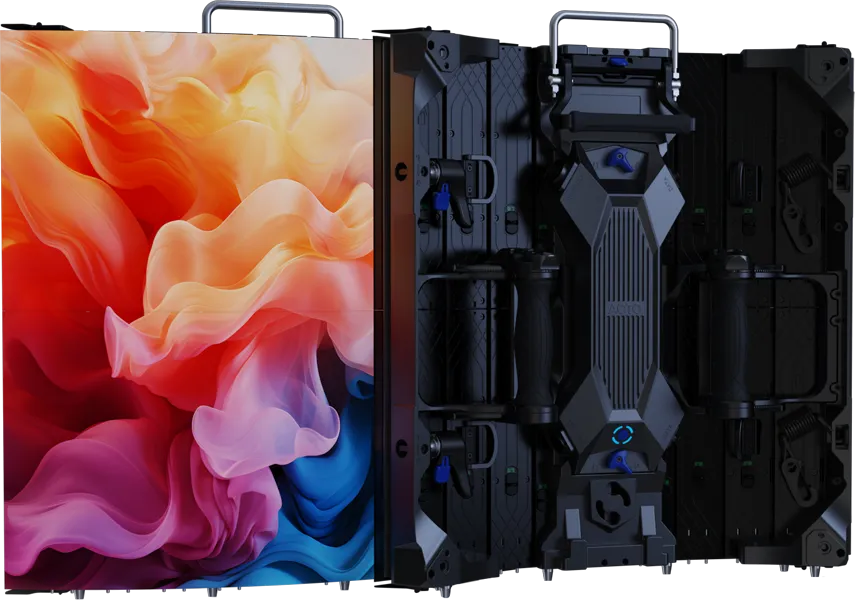
RMxC Series
The RMxC series offers excellent visual solutions for a variety of virtual production. At corporate presentations, vivid and effective displays reinforce brand impressions. At indoor concerts, vivid colors and high contrast create a powerful performance. Furthermore, at salons and forums, the wide viewing angle and high-definition display allow audiences to clearly see the content from any angle. Supporting a variety of scenarios, the RMxC series supports professional video presentations.
With the growing demand for media resources in cities, AOTO Electronics’ LED displays deliver a strong visual impact with their vivid colors and clear image quality, attracting the attention of …
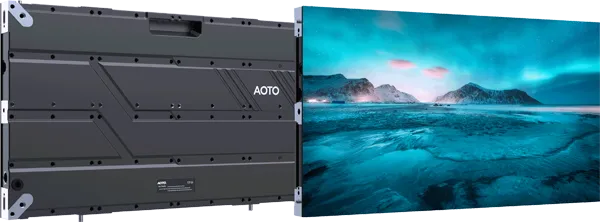
CV MIP Series
CV MIP Series is equipped with AOTO self-developed MIP technology, utilizing LED light-emitting chips ranging from 50um to 100um to achieve superior fine pixel pitch display. In combination with flip chip and common-cathode technologies, the product ensures higher reliability and lower power consumption. Multiple coatings on the screen surface enhance color and black consistency while offering low glare, low reflection, and minimal moiré effects, delivering a more comfortable visual experience for users.
- Pixel Range: 0.9-1.8mm
- Model: CVMS0.9-1.8
- Color Consistency
- High Contrast
- Energy Efficiency
- Comfortable Visual Experience
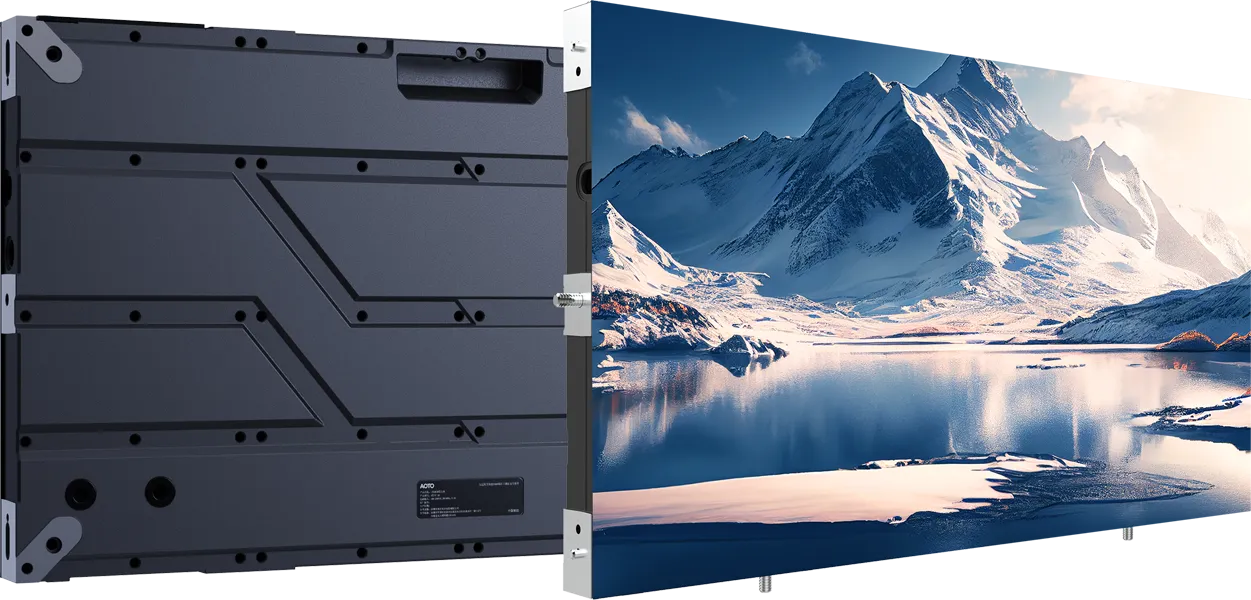
CV MINI Series
CV MINI Series is characterized with smaller LED chip, more stable screen robustness and better sealing & optical design. Multiple packaging can be selected for better satisfying different application scenarios.
- Pixel Pitch: 0.9375mm/1.25mm/1.5625mm/1.875mm/2.5mm
- Model: CVES0.9-2.5
- Extreme Black
- 110%NTSC Gamut
- MINI 4 in1
CB Series
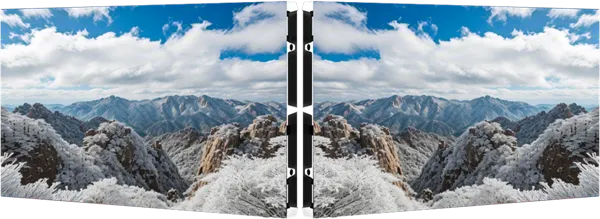
CB series features a multi-layer composite optical structure design, which enhances light uniformity, reduces light loss, and ensures consistency in black levels and color. The innovative surface light source technology effectively improves the graininess and moiré patterns commonly seen in traditional display solutions, which delivers a delicate and smooth visual performance, making it ideal for close-viewing scenarios.
- Pixel Pitch: 0.9mm/1.2mm/1.5mm
- Front surface IP65
- Energy Saving
- 3840Hz Refresh Rate
- 110% NTSC
U Series
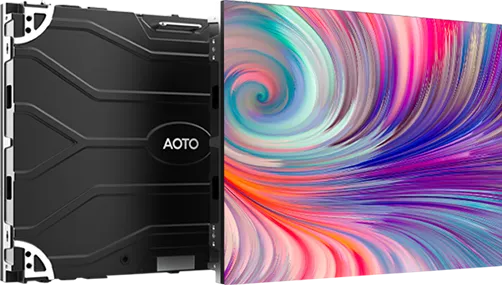
The U-Series is constructed of a die-cast aluminum frame that has been CNC machined to extremely precise tolerances. Excellent EMC performance is achieved by superior circuitry and modular design. Our self-developed control mechanism can provide a high refresh rate while also less consuming power, as well as HDR wide color gamut. There are varieties of screen sizes available, and also several building methods are optional.
- Pixel Pitch: 2.5mm 1.8mm
AF Series
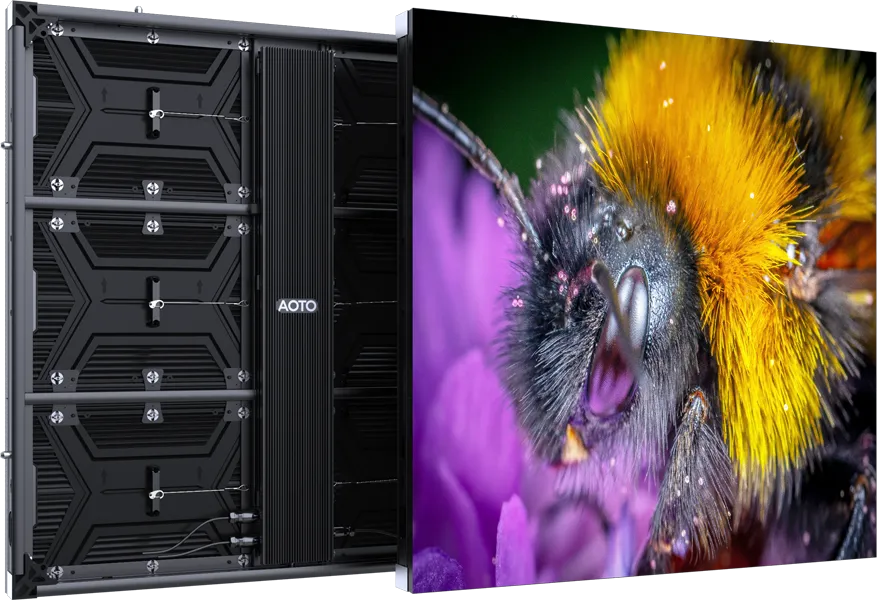
AF series is a brand-new LED product for outdoor use, it features 8000nits of customized brightness, IP65 high protection, excellent fin shaped heat dissipation structure, and 30% of energy saving. More importantly, it has three different sizes of modules and a semi-circular cabinet for more flexible and smoother creative display.
- 8000 nits brightness
- IP65
- EMC Class A
- 30% energy savings
- 110% NTSC
- 26.5kg/㎡
- Pixel pitch: 4mm/6.67mm/8mm/10mm
E Series
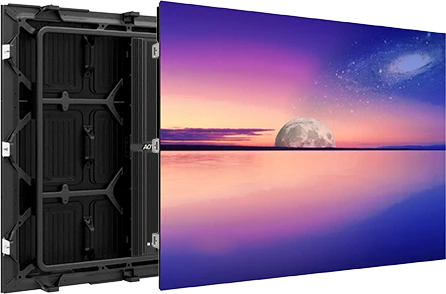
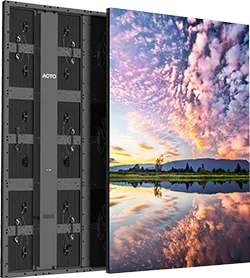
The E series targets both indoor and outdoor applications. The pixel pitch varies from 2.5mm to 10mm providing an optimal viewing distance from 3 to 20 meters, which satisfies most of the applications. E series is characterized with the following features: high IP standards, energy-saving, high image quality, power/data backup, front & rear installation, large format, and lightweight structure.
- Pixel pitch (indoor): 2.5mm/3mm/4mm/4.8mm/6mm
- High protection rating
- Energy-saving design
- Front and rear maintenance
- EMC CLASS B
EXLF Series
EXLF is an LED display product developed for urban street advertising. It breaks the traditional concept of outdoor LED display requiring on-site assembly. By extending the design idea of the all-in-one machine to the outdoors, EXLF simplifies the system design and structural design, and enables the product to be put into use rapidly. The product is thin and light, which is more convenient to integrate into the urban environment, making urban advertising more attractive.
- Pixel Pitch: 4mm /5.14mm
- Ultra Slim & Lightweight
- High Contrast Ratio
- High Refresh Rate
- 2sqm Standard Size Cabinet
AOTO Electronics rental products offer patented latch designs, slim cabinets, and simplified wiring connections for quick and efficient installation and dismantling, helping to reduce costs.
SW Series
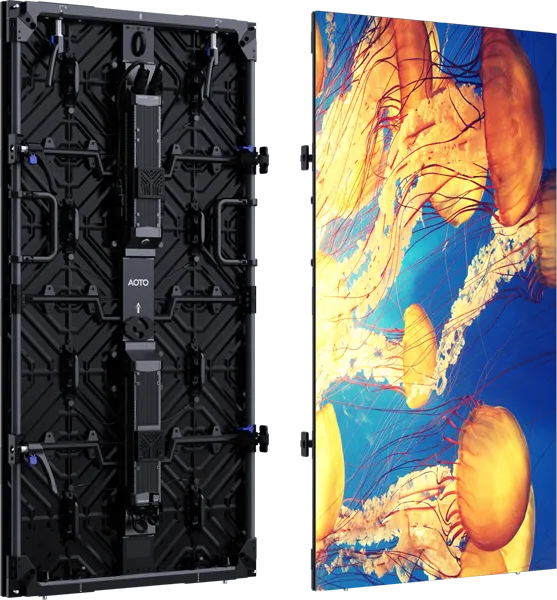
SW series features big-size panels for the stage and combines high-strength carbon fiber + die-casting aluminum high-strength frame, which makes it very light while ensuring its robustness and durability. The product is also equipped with various mechanical advancements, such as fast lock, Auto-Eject, and ergonomic handles, allowing for speedy installation and convenient maintenance.
- Pixel Pitch: 3.75mm/5.76mm
- Big-Size Panel (600*1200mm or 600*600mm available)
- 0°/±2.5°/±5°/±7.5° Curvature
- Carbon Fiber + Die-Casting Aluminum
- Lightweight (14kg/panel)
- Mechanical Details
RM Series
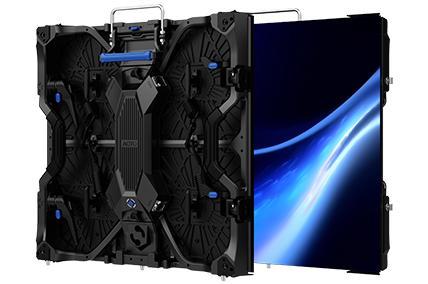
RM series is a star product specially designed for virtual production and XR studio, it features 1/6 lowest scaning mode in the premium offer, 7680Hz refresh rate, 99.9% DCI-P3 color gamut, and low reflectivity effectively reducing the effect from other disturbing light. RM2.3 has already constructed several huge studios around the world.
- Pixel Pitch: 1.56mm/1.95mm/2.31mm
- 1/6 Scaning Mode
- 7680Hz refresh rate
- 99.9% DCI-P3 Color Gamut
- Low Reflectivity
- Intelligent Product Design
RMxA Series
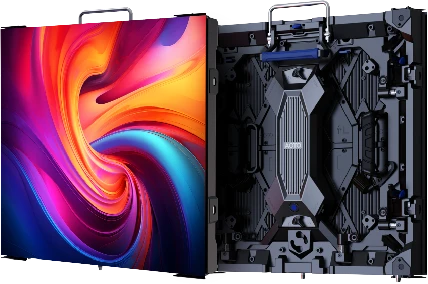
RMxA series is premium fine-pitch LED display built for fast-paced events — featuring rugged MIP packaging and automatic corner protection, plus quick, tool-free locks that keep the screen perfectly flat.
It can create standout visuals with flexible stacking or hanging, canopy builds, and smooth adjustable curves, which is ideal for diverse scenarios: exhibitions & trade shows, corporate events, and salons/forums.- Pixel Pitch: 1.56mm
- 1+6 Multi-Level Protection
- Adjustable Curve: 0°, –2.5° and –5
- Rapid Installation: adopts silicone grips
- Diversified Installation: supports both stacking and hanging installation
AOTO Electronics rental products offer patented latch designs, slim cabinets, and simplified wiring connections for quick and efficient installation and dismantling, helping to reduce costs.
RMxB Series
The RMB series adopts MINI 4-in-1 technology, supporting 90° splicing on all four sides. It can be combined with the RM/RME series flat panels. With its high-precision mechanics and excellent visual quality, it provides a creative stage, including flat, cube, or stage folding screens. Combining stable and reliable performance with cost-effectiveness, it creates an unforgettable visual experience.
RMxC Series
The RMxC series offers excellent visual solutions for a variety of virtual production. At corporate presentations, vivid and effective displays reinforce brand impressions. At indoor concerts, vivid colors and high contrast create a powerful performance. Furthermore, at salons and forums, the wide viewing angle and high-definition display allow audiences to clearly see the content from any angle. Supporting a variety of scenarios, the RMxC series supports professional video presentations.
C Series
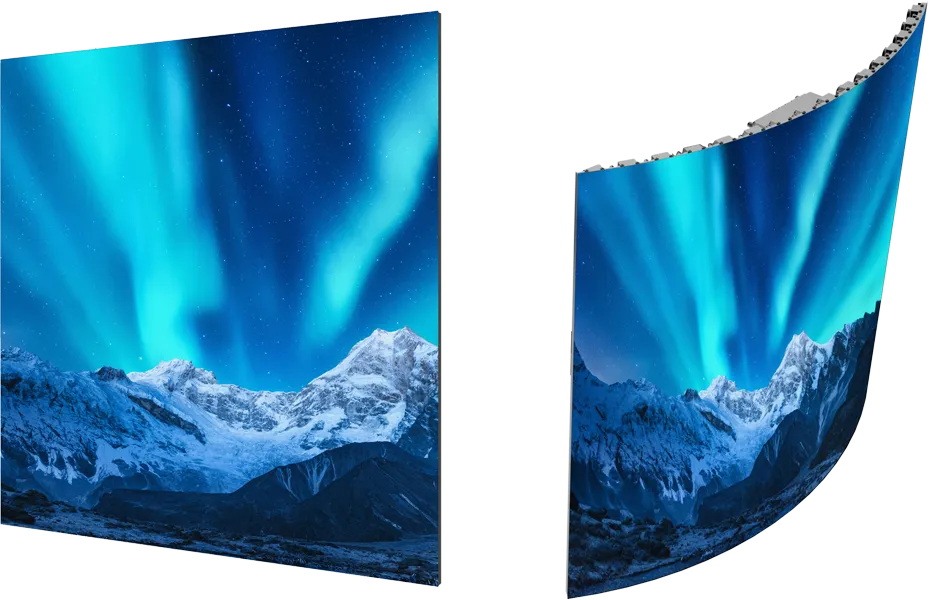
The C Series is a lightweight, high-definition product that supports curved installation and meets the diverse needs of creative LED displays. Equipped with a magnetic adsorption module, it allows front maintenance, realizes seamless connectivity, and features higher dynamic range color management, providing greater imagination for creative display applications.
- Pixel pitch: 1.8mm / 2.5mm / 3mm
- Curved Surface Connection
- EMC CLASS B
- Highly Efficient Thermal Management
- Software Module
Based on world-class core technology and precise understanding of customer needs, AOTO provides professional LED display solutions for sporting events.Main solutions:Perimeter LED display (for stadium…
Blue Peacock · Digital Media Broadcast Control Platform
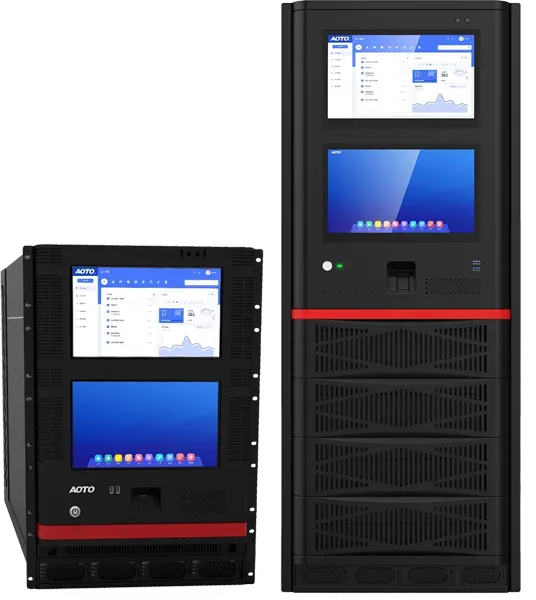
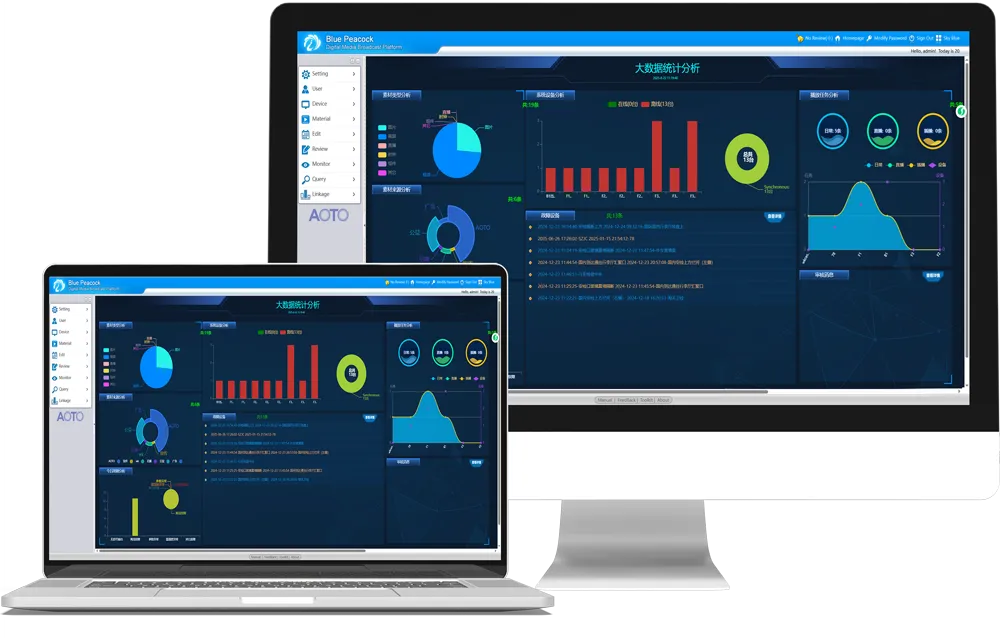
Blue Peacock is a professional information publishing system for centralized remote management of electronic media in the advertising industry. The platform provides one-stop services including centralized media management, remote content publishing, and device monitoring and maintenance.
Outdoor Advertising | Airport Digital Signage | TV & Live Broadcast
Phoenix – Broadcast Production System
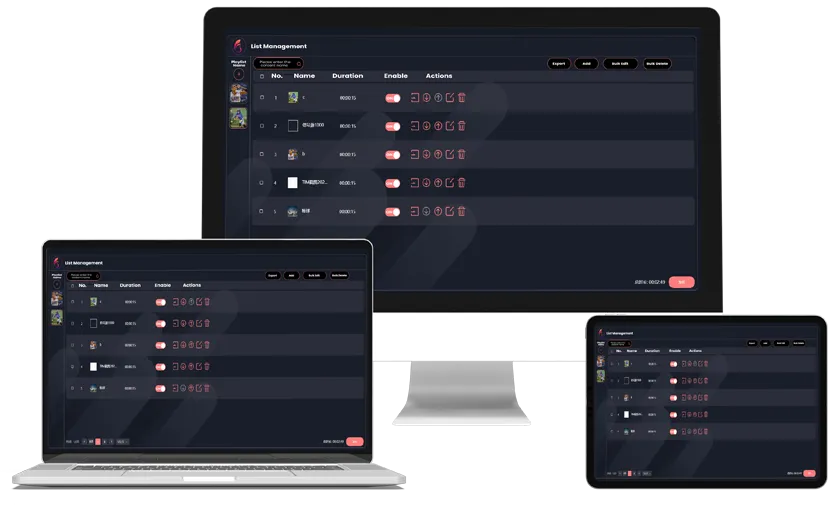
Phoenix Performance Broadcasting Software V2.0 integrates program editing, playback management, and scene control. It supports 12 channels of 4K capture and 20 channels of 4K output. The playlist mode allows intelligent scheduling based on material order, duration, loops, and dates. Multi-device (PC/APP/Touch) synchronization switching with zero latency. Compatible with various control interfaces,it offers an intuitive and efficient operation.
Studios | Product Launches | Showrooms | Flagship Stores
AOTO Electronics places the utmost importance on innovation and R&D for our customers, providing competitive, cutting-edge products and industry solutions.
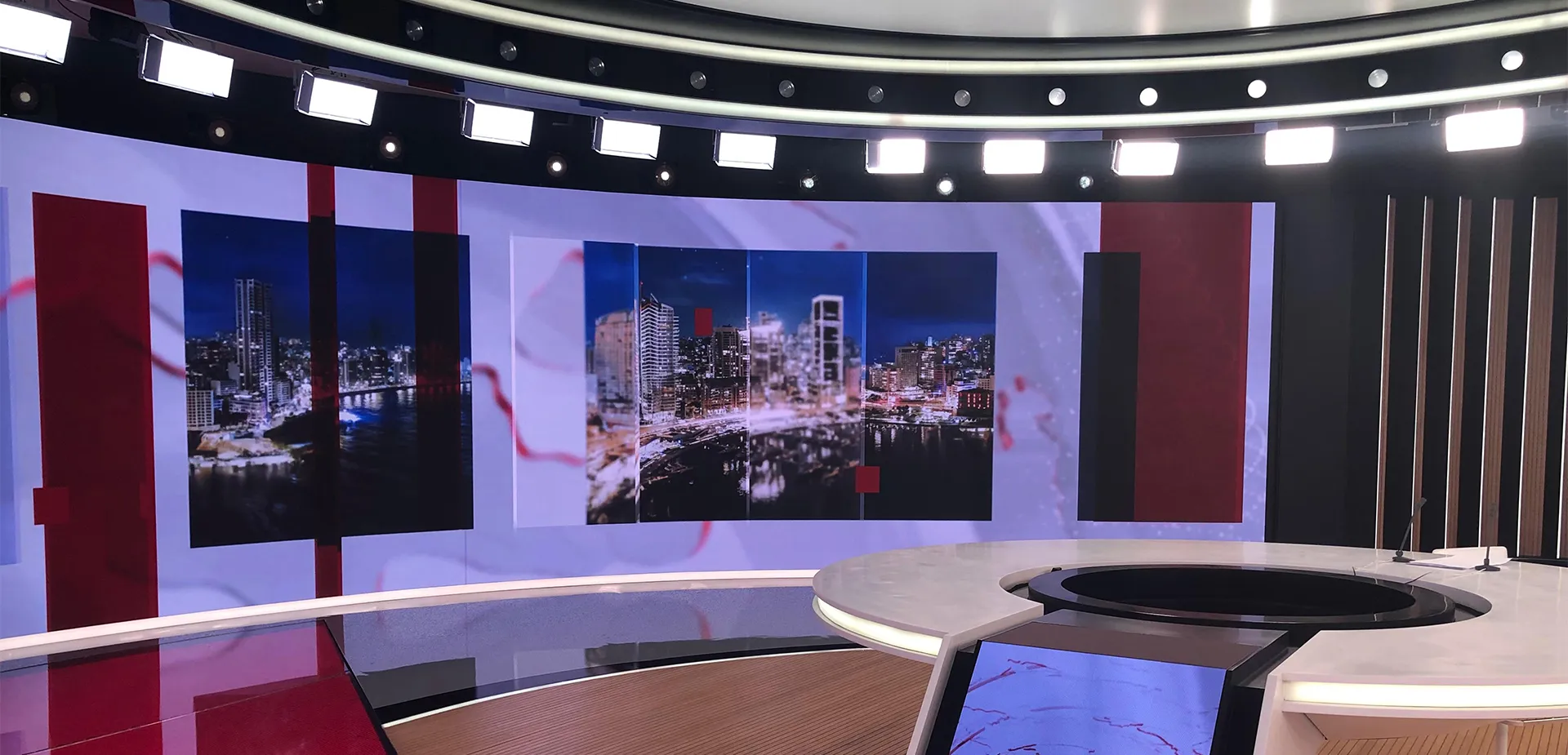 TV Studio • Lebanon
In the Lebanon MTV News Studio upgrade project, AOTO successfully deployed nearly 300 high-performance display cabinets, including multiple CVES1.2,curved C1.8 screens, and specially customized units,...
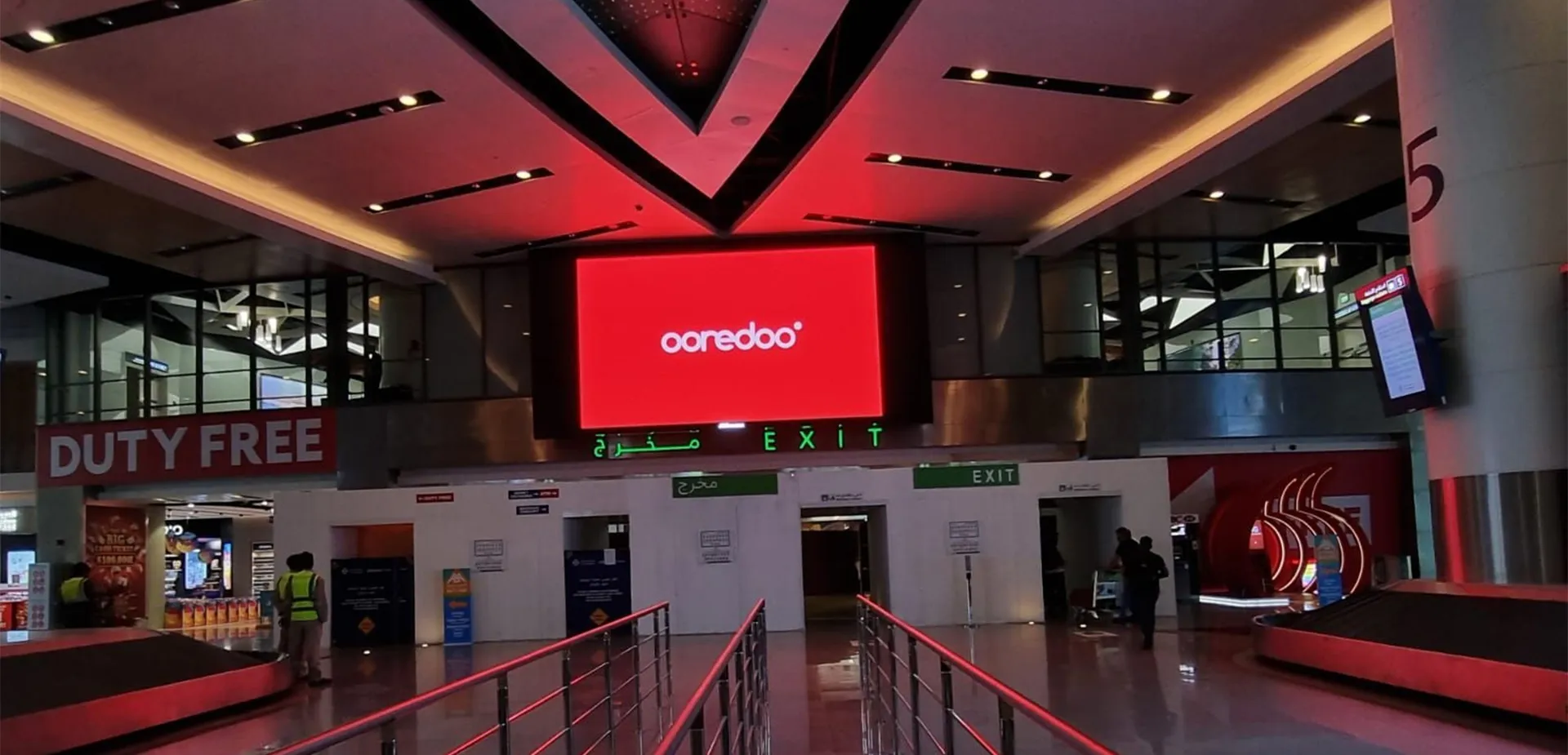 Transportation • Muscat, Sultanate of Oman
AOTO provided an innovative LED display solution for Muscat international Airport in Oman, deploying AOTO’s E4.8 series displays to enhance the airport’s visual presentation significantly....
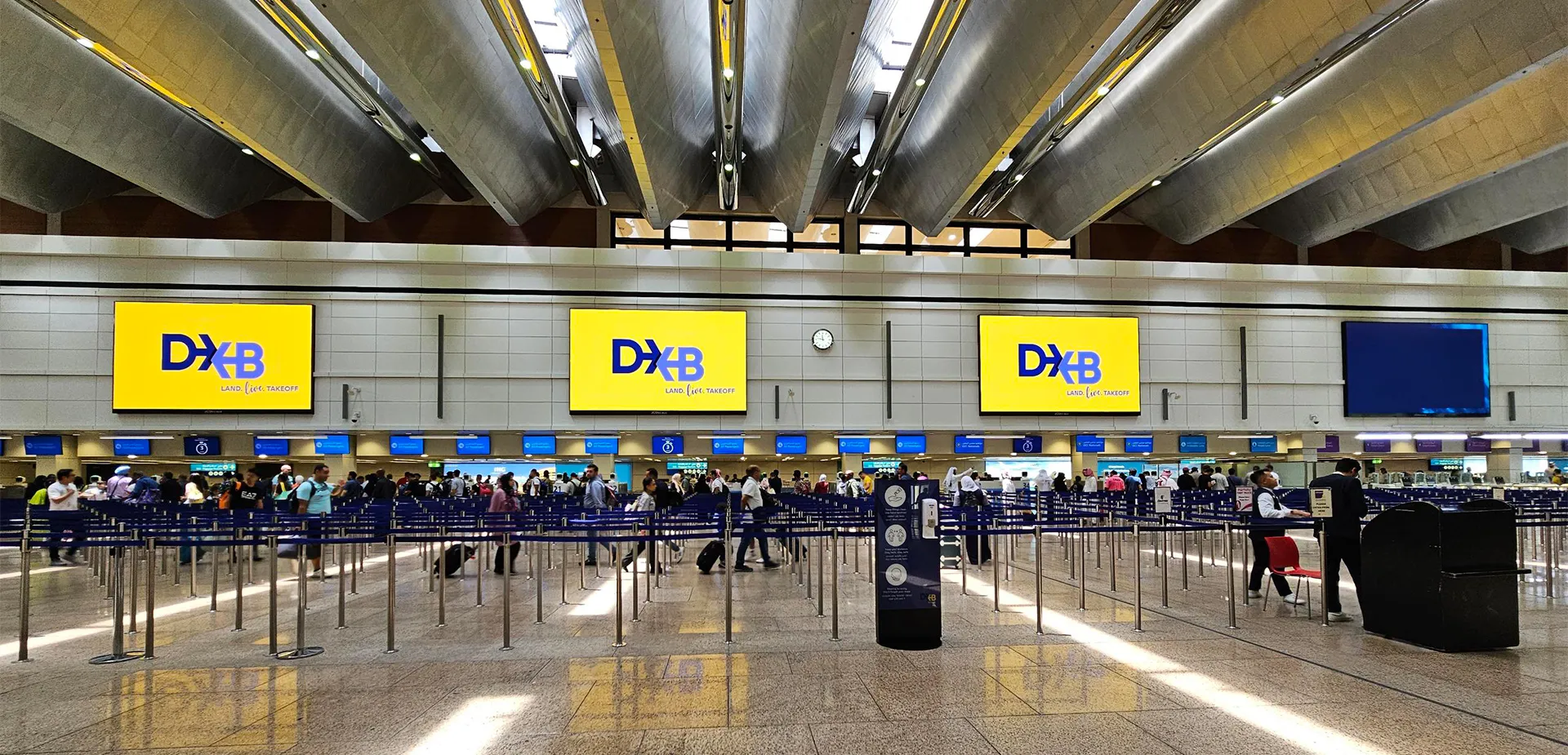 Transportation • Dubai, United Arab Emirates
Dubai International Airport, one of the busiest aviation hubs in the Middle East, selected AOTO’s LED displays to enhance information presentation in the security check areas. Five E-series disp...
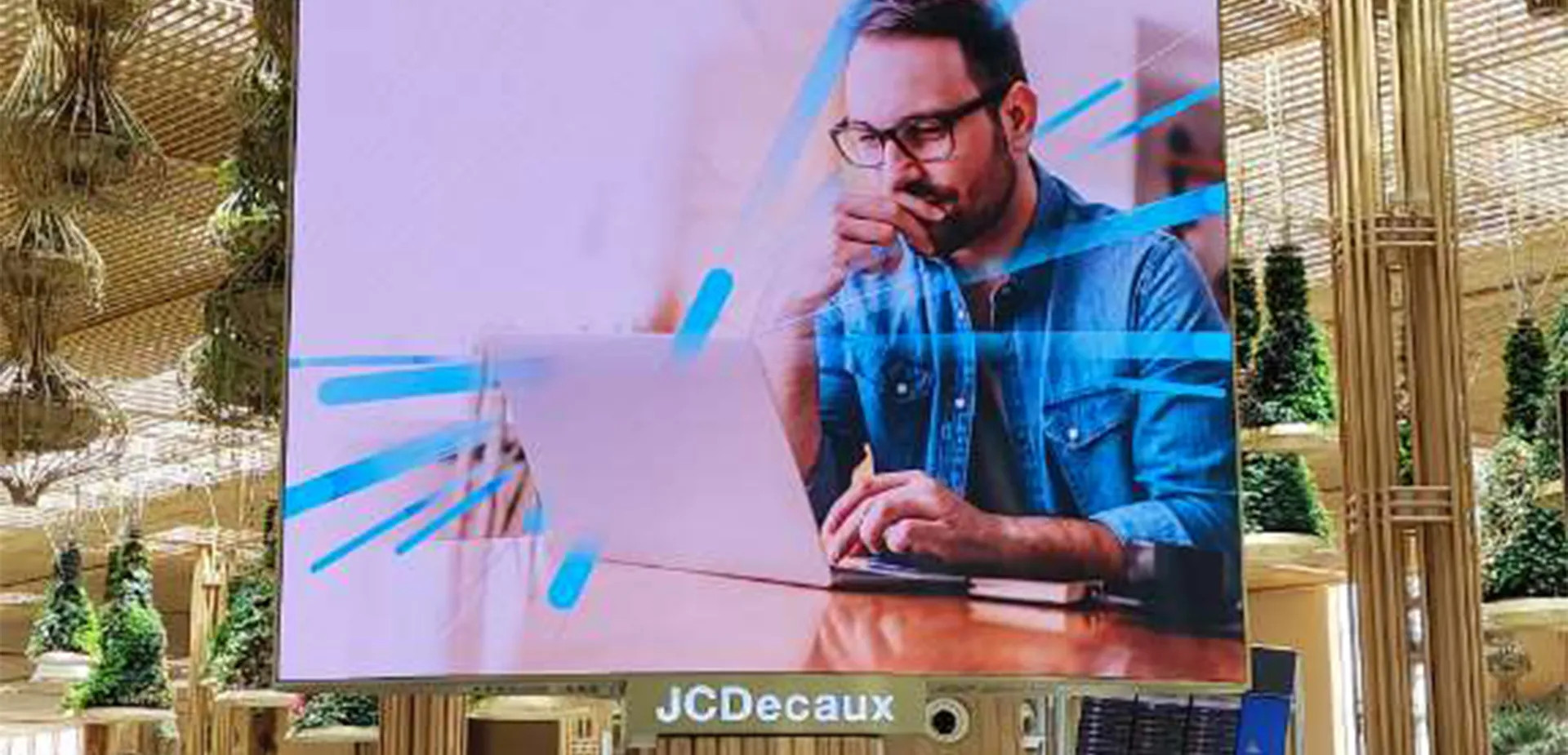 Transportation • Bangalore, India
AOTO is honored to have provided an innovative display solution for Bangalore International Airport, successfully installing three large curved LED displays. These screens were cleverly mounted at the...
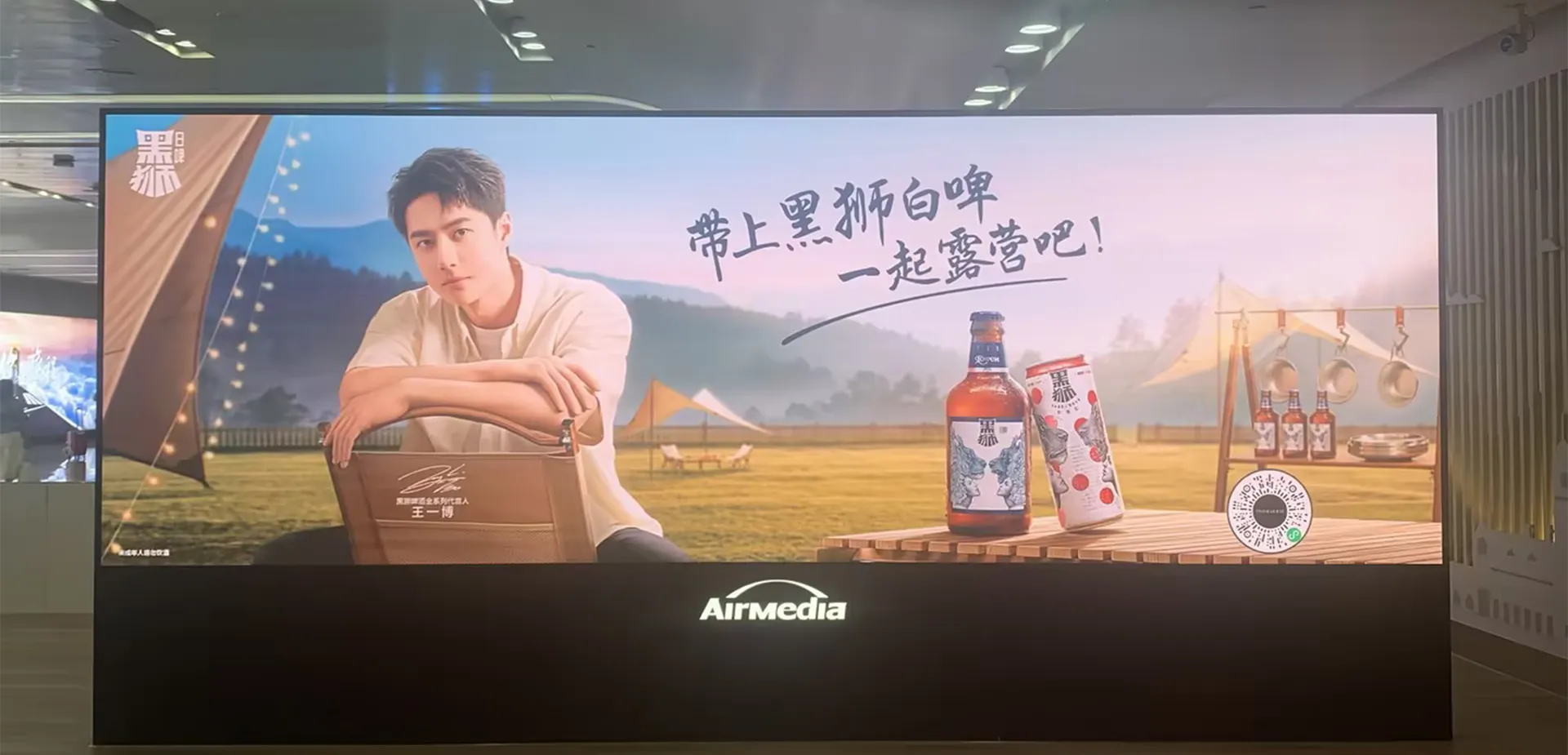 Transportation • Shandong, China
At Gate 4 of Jinan Yaoqiang International Airport in China, AOTO installed a 121.5㎡ CV series for advertising and information presentation. This project not only enhances the airport’s visual ex...
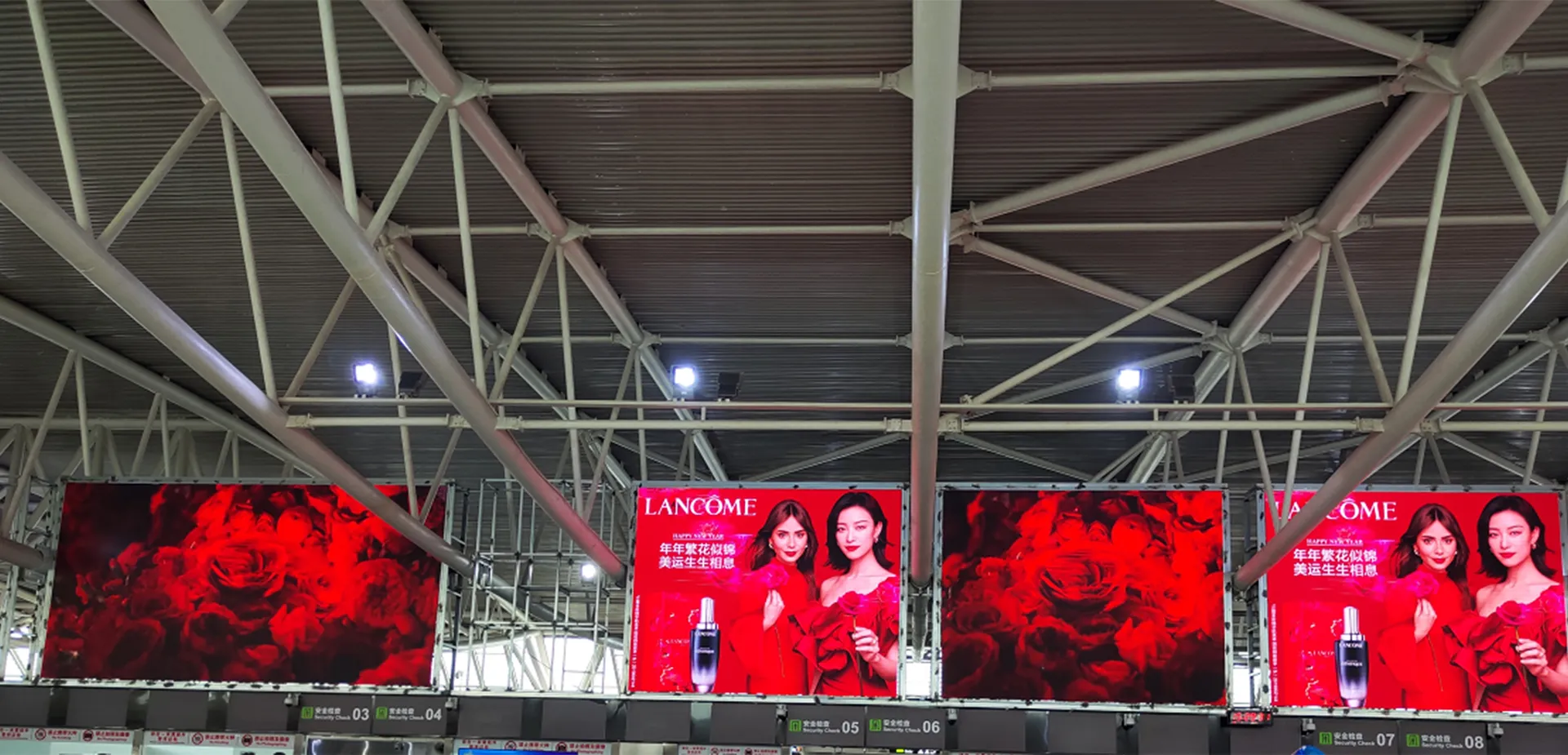 Transportation • Shandong, China
Sanya Phoenix International Airport has partnered with AOTO to install a customized LED display system, significantly boosting the airport’s advertising revenue. A total of 55 E2.5i displays, 5 ...
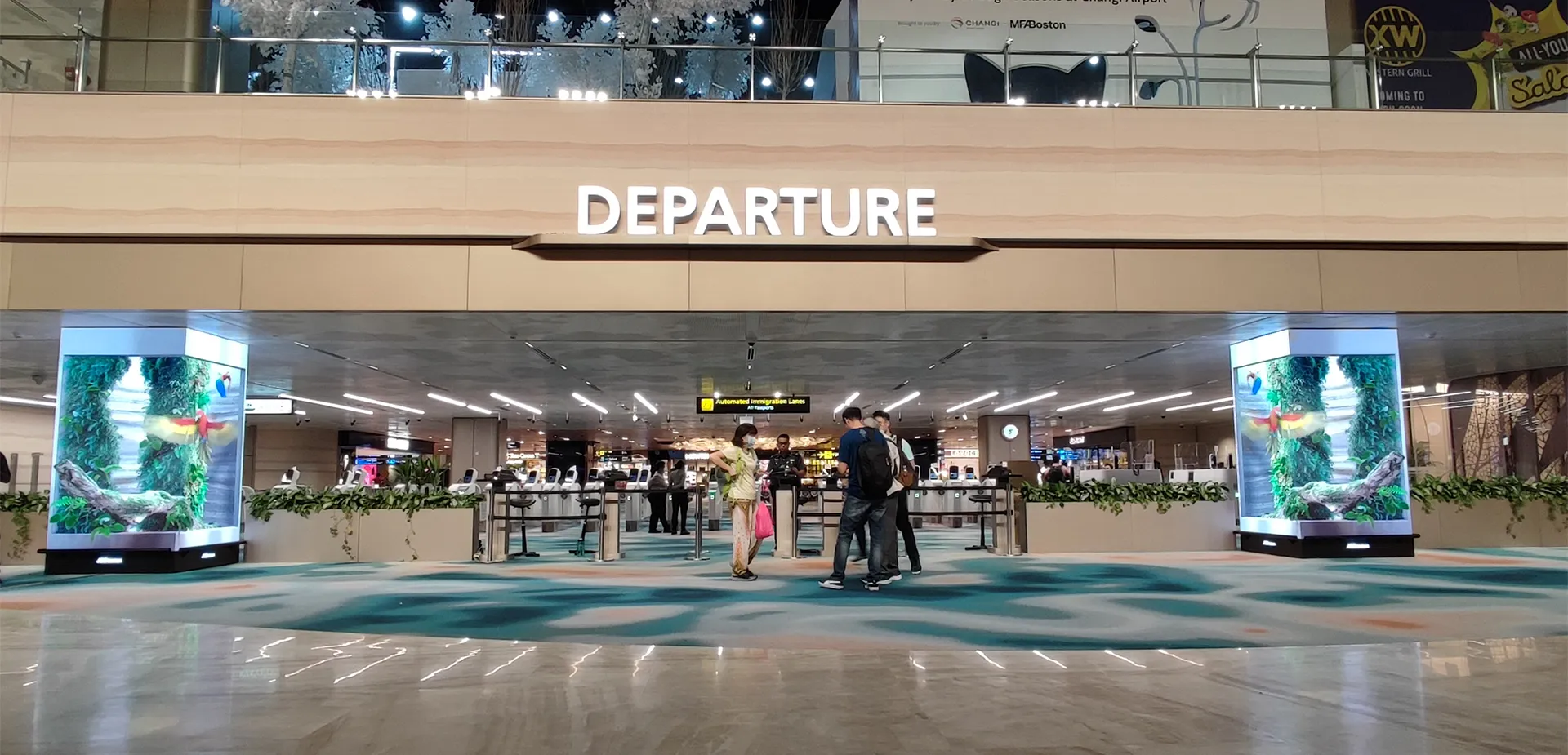 Transportation • Singapore
AOTO has successfully created an awe-inspiring P1.8 pillar-shaped LED screen at Singapore Changi International Airport, delivering a mesmerizing visual experience. Using naked-eye 3D technology, these...
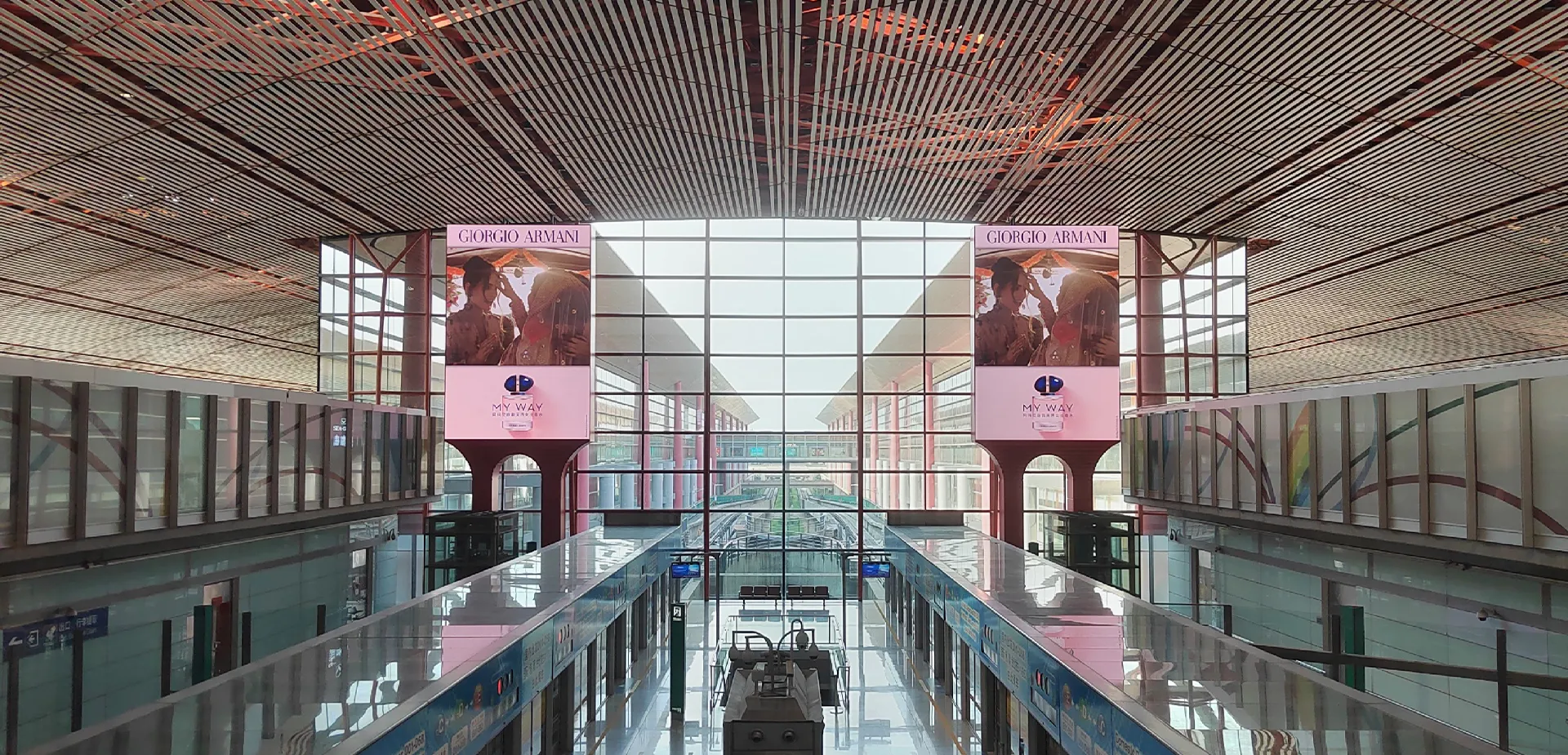 Transportation • Beijing, China
AOTO upgraded the hanging flags at the T3C-APM platform of Beijing Capital International Airport by replacing the traditional flags with LED displays, using custom E2.5I models. The displays were inst...